
Was on
-
7
May
2026
13min listening time
Listen to Episode 6 now: Cultural Differences
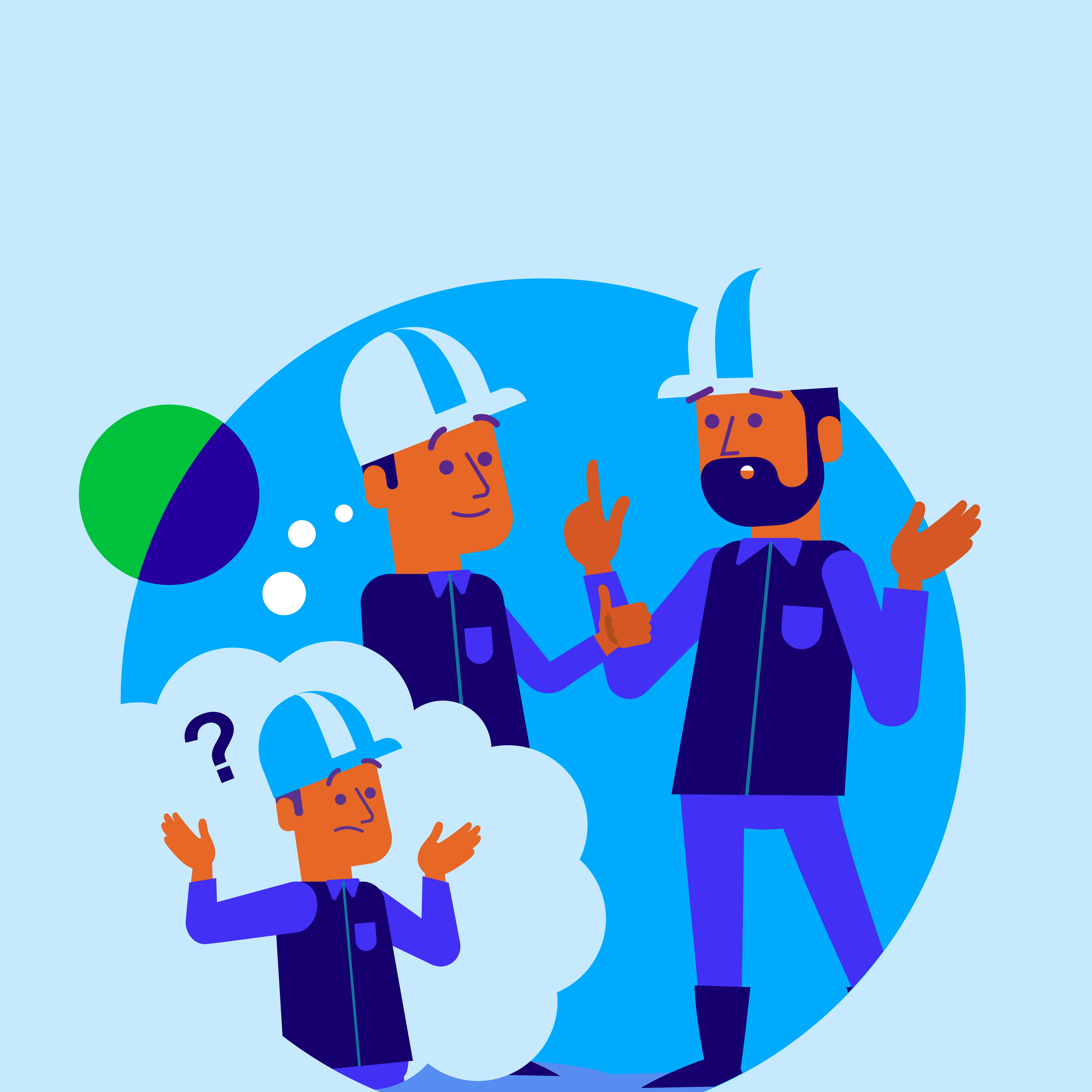
Can you still work safely despite cultural differences in the workplace? Joey works every day with colleagues from different countries, each with their own culture, work habits, pace, and communication styles. You can hear his story in the latest episode of Safety First.
Sign upSign up for the waiting listStay informedHost:
Welkom bij Safety First, de Doorzaam-podcast over veilig werken vóór en dóór uitzendkrachten. Veilig werken is letterlijk van levensbelang, en toch gebeuren er nog te veel ongevallen. Als uitzendkracht werk je vaak op nieuwe plekken en met nieuwe mensen. En ja, hoe blijf je dan toch scherp en zorg je dat jij en je collega’s veilig thuiskomen? In Safety First hoor je praktijkverhalen van uitzendkrachten: wat gaat goed, en wat kan beter? Luister mee en zet veiligheid altijd op één. Een kleine disclaimer vooraf: dit verhaal is gebaseerd op waargebeurde verhalen van uitzendkrachten en ingesproken met AI.
Host:
Hoe werk je veilig samen als je ploeg bestaat uit mensen uit allerlei landen met allemaal hun eigen culturele en werkgewoontes, tempo’s en manieren van communiceren? Vandaag praten we met Joey. Vijfendertig jaar, komt uit Nijkerk, werkt in vijf ploegen en is tweede man op de werkvloer in een fabriek met grote silo’s, roerwerken en fijnstof. Joey werkt dagelijks met collega’s uit verschillende culturen en ziet wat er dan kan gebeuren. Joey, welkom! Fijn dat je er bent.
Joey:
Ja dank je.
Host:
Hoe gaat het met je?
Joey:
Ja, wel goed hoor. Eigenlijk wel prima.
Host:
Super, goed om te horen. Laat ik beginnen met iets heel praktisch: hoe ziet een gemiddelde ploeg bij jou in de fabriek eruit?
Joey:
We staan meestal met vijf of zes man. En ik denk per ploeg ongeveer drie uit het buitenland. Polen, Hongaren, soms ook jongens uit Nigeria of andere landen. Engels praten lukt vaak nog wel, maar Nederlands niet altijd.
Host:
Oké, en hoe gaat dat?
Joey:
Je bent eigenlijk altijd aan het schakelen tussen verschillende manieren van werken en communiceren.
Host:
Hoe is dat voor jou dan?
Joey:
Ik vind dat eigenlijk wel leuk. Je leert veel van elkaar. Maar ik zie ook wel dat het voor sommige collega’s lastig is. Die praten soms urenlang niet. Dan blijft samenwerking wat oppervlakkig.
Host:
Begrijpelijk. Heb je ooit in een situatie gezeten waarvan je dacht: dit had mis kunnen gaan door cultuurverschillen?
Joey:
Ja. Even denken. Bij het nemen van monsters uit onze grote roerwerken was dat een keer. Daar moet alles drukloos. Roerwerk uit, stroom eraf, stappenplan volgen. We maken een grote slurry en daar moeten we een monster van afnemen.
Host:
Is dat gevaarlijk?
Joey:
Ja, als je niet oplet wel. Iemand wilde eens zijn hand erin steken toen die nog draaide. Als ik er niet bij was geweest, was hij zijn hand verloren. Dat kwam echt door miscommunicatie. Hij begreep het gewoon niet.
Host:
Hoe ging dat precies?
Joey:
Slurry maken is bij ons één van de simpelere taken, maar ook één van de gevaarlijkste als je niet precies weet wat je doet.
Host:
Hoe doe je dat?
Joey:
We hebben een enorme silo. Daar gaat zo’n duizend liter water in. Dan giet je met een bovenloopkraan zakken poeder erbij, zo’n zes tot acht zakken. Onderin draaien vier grote roerwerken.
Host:
Klinkt als iets groots.
Joey:
Ja, die dingen zijn echt krachtig. Als ze draaien hoor je een zwaar gebrom door de hele ruimte.
Host:
Dus het is een krachtige installatie?
Joey:
Ja, enorm. En je moet goed luisteren, want de waarde van de slurry moet precies tussen de 64,5 en 66 zitten.
Host:
Hoe weet je dat?
Joey:
Als je de zevende zak erin doet, hoor je dat het roerwerk zwaarder gaat draaien. Dan wordt het mengsel dikker. Dan zet je het roerwerk uit. En pas als alles echt stilstaat, pak je een monster.
Host:
En hoe gaat dat met nieuwe collega’s? Wordt dit goed opgepakt?
Joey:
Ik leg alles stap voor stap uit. Ik zeg: je hoort het roerwerk zwaarder lopen, daar stop je. Dan zet je hem uit, wacht je tot hij stil is en dan pas scheppen. En dan knikken ze en zeggen dat ze het snappen.
Host:
Maar in de praktijk is dat niet zo?
Joey:
Nee, dat betekent niet altijd dat ze het begrijpen. In veel culturen is het onbeleefd om vragen te stellen aan iemand die je inwerkt. Dus ze zeggen niets en knikken alleen. En daar begint het gevaar.
Host:
Dat snap ik.
Joey:
Op de werkvloer betekent dat dat ze gewoon beginnen. Dan zetten ze het roerwerk te laat uit of te vroeg. Of ze denken dat het stilstaat terwijl het nog nabeweegt.
Host:
Nabeweegt? Hoe bedoel je dat?
Joey:
Zelfs als het roerwerk uit staat, draait het nog een paar seconden door door de massa van de slurry. Je ziet het bijna niet, maar er is nog beweging. En dat is genoeg om je beker of hand mee te trekken.
Host:
Is dat wel eens gebeurd?
Joey:
Ik had een collega die met een metalen beker een monster wilde scheppen. Ik had net uitgelegd dat hij moest wachten tot alles stilstond. Maar hij keek en zag bijna niets bewegen en dacht dat het goed was.
Host:
En toen?
Joey:
Hij zei “yes yes”, maar begreep het niet helemaal. In zijn cultuur stel je niet drie keer dezelfde vraag. Dus hij stak die beker erin. En ik zag precies dat het roerwerk nog een zwiep maakte. Als ik hem niet had teruggetrokken, was hij vingers kwijt geweest.
Host:
Dat blijft je bij.
Joey:
Ja. Vooral omdat het zo makkelijk te voorkomen was. Als hij had gezegd dat hij het niet snapte.
Host:
Dat komt dus door cultuurverschil?
Joey:
Ja. Voor hem voelt het alsof hij je niet mag tegenspreken. En daar zit het gevaar.
Host:
Dus wat voor ons normaal is, voelt voor iemand anders onbeleefd of dom?
Joey:
Precies. Maar geen vraag stellen is gevaarlijker dan een ‘domme’ vraag.
Host:
Merk je nog meer communicatiebarrières?
Joey:
Ja. Bijvoorbeeld hoe mensen “ja” zeggen. Nederlanders vragen door. Veel buitenlandse collega’s zeggen gewoon “yes” uit beleefdheid, ook als ze het niet begrijpen.
Host:
Hoe ga jij daarmee om?
Joey:
Ik vertrouw niet meer direct op “ja”. Ik vraag: vertel eens wat je gaat doen. Dan hoor je meteen of iemand het snapt.
Host:
En directheid? Verschilt dat ook?
Joey:
Ja. Nederlanders zijn direct: dit is niet veilig, doe het zo. Polen en Hongaren hebben daar geen moeite mee. Maar sommige Afrikaanse collega’s reageren anders. Die worden stil of denken dat ze iets fout doen.
Host:
Merk je dat nog ergens anders in?
Joey:
Bijvoorbeeld bij pauzes. In Nederland is op tijd zijn belangrijk. In andere culturen wordt daar soms minder strikt mee omgegaan. Dan kan het gebeuren dat iemand later terug is en dat werk doorschuift.
Host:
Wat gebeurt er dan?
Joey:
Dan staat iemand soms vijf minuten alleen bij een machine die eigenlijk met twee mensen moet draaien.
Host:
Hoe ga jij daar als tweede man mee om?
Joey:
Gewoon rustig uitleggen: bij ons werkt het zo. Meestal snappen ze het wel.
Host:
Wat werkt juist goed in samenwerken met internationale collega’s?
Joey:
Voordoen. Dan heb je geen woorden nodig. Handgebaren werken ook. Iedereen snapt wat je laat zien.
Host:
Waarderen mensen dat?
Joey:
Ja. Je ziet aan hun gezicht dat het kwartje valt. Dan denken ze: zo bedoel je het.
Host:
Mooi om te horen. Joey, dank je wel voor je openheid en je verhaal. Veilig werken begint bij begrijpen wat de ander bedoelt. Daar kunnen we elkaar bij helpen.
Host:
Dit was aflevering zes van Safety First, de Doorzaam podcast over veiligheid. In de volgende aflevering hebben we het over taalbuddy’s op de werkvloer. Heb jij iets meegemaakt wat je wilt delen? Laat het ons weten. Misschien hoor je jouw verhaal terug in een volgende aflevering. Tot de volgende keer en werk veilig.
Host:
Welcome to Safety First, the Doorzaam podcast about working safely, for and by agency workers. Working safely is literally a matter of life and death, and yet far too many accidents still happen. As an agency worker you’re often in new places and with new people. And yes, how do you stay sharp and make sure that you and your colleagues get home safely? In Safety First you’ll hear real stories from agency workers: what’s going well, and what could be better? Listen along and always put safety first! A small disclaimer up front: this story is based on real experiences of temporary workers and is narrated using AI.
Host:
How do you work safely together when your team consists of people from all kinds of countries, each with their own cultural and work habits, paces and ways of communicating? Today we talk with Joey. Thirty-five years old, comes from Nijkerk, works in five shifts and is second-in-command on the floor in a factory with large silos, mixing units and fine dust. Joey works daily with colleagues from different cultures and sees what can happen. Joey, welcome! Glad you're here.
Joey:
Yes, thank you.
Host:
How are you doing?
Joey:
Pretty good.
Host:
Great, good to hear. Let me start with something very practical: what does an average shift look like at your factory?
Joey:
We usually stand with five or six people. And I think about three per shift from abroad. Polish, Hungarians, sometimes guys from Nigeria or other countries too. Speaking English still works often enough, but Dutch doesn’t always work.
Host:
Okay, and how does that go?
Joey:
You're basically always switching between different ways of working and communicating.
Host:
How is that for you then?
Joey:
I find that pretty fun. You learn a lot from each other. But I also see that for some colleagues it's difficult. They just don't talk for hours. And then the teamwork stays kind of superficial.
Host:
Understandable. Have you ever been in a situation where you thought this could have gone wrong because of cultural differences?
Joey:
Yes. With taking samples from our large mixing units that was one time. Everything has to be pressure-free for that. Mixing unit off, power disconnected, follow the step-by-step plan. We make a large slurry and we have to take a sample from that.
Host:
And is that dangerous then?
Joey:
Yes, if you're not careful. Someone once wanted to stick his hand in while it was still running. If I hadn't been there, he would have lost his hand. This really was due to miscommunication, he just didn't understand it.
Host:
How did this go exactly?
Joey:
Making slurry is actually one of the simpler tasks at our place, but also one of the most dangerous if you don't know exactly what you're doing.
Host:
And how do you do that?
Joey:
We have an enormous silo, about a thousand litres of water goes in there. Then you pour bags of powder in with an overhead crane, about six, seven, sometimes eight bags. And at the bottom of that silo four large mixing units are spinning.
Host:
Sounds like quite a big thing?
Joey:
Yes, those things are real powerhouses. When they're running, you hear a kind of heavy hum through the whole space.
Host:
So it's quite a powerful installation?
Joey:
Yes, enormous. And you have to listen carefully, because the value of the slurry has to be exactly between sixty four and a half and sixty six.
Host:
And how do you know that then?
Joey:
When you put in bag seven, you have to hear the mixing unit start to pull, that the mixture is getting thicker. Then you turn the mixing unit off. And only when everything has truly stopped, you take a sample.
Host:
And how does that go in practice with new colleagues? Is that picked up well?
Joey:
I explain everything step by step. I say: you hear the mixing unit running heavier, that’s where you stop. Then you turn it off, then you wait until it's still. Only then scoop. And then the workers often nod and say they understand.
Host:
But in practice that's not the case?
Joey:
No, that doesn’t always mean they understand. I think in many cultures it's impolite to ask questions to someone who's training you. That feels like you're saying they didn’t explain it well. So they don’t ask anything. They just nod. And that’s exactly where the danger begins.
Host:
I get that.
Joey:
On the work floor that means sometimes that they just start. And then they turn off the mixing unit way too late or too early. And sometimes they think the mixing unit has stopped while it's still moving.
Host:
Still moving? What do you mean?
Joey:
Even when the mixing unit is switched off, it keeps spinning for a few seconds because of the mass of the slurry. You can barely see it. But if you look closely, you can see a small movement. And that’s enough to pull your cup or your hand along with it.
Host:
Has that ever happened?
Joey:
I had a colleague who wanted to scoop a sample with a metal cup. I had just explained that he had to wait until everything was still. But he looked into the silo, saw barely any movement, and thought it was fine.
Host:
And then?
Joey:
He had already said “yes” beforehand, while he didn’t fully understand. In his culture you don’t ask the same question three times. That feels like failing. So he stuck that cup in. And I saw him at exactly the moment the mixing unit made one more sweep. If I hadn’t shouted and pulled him back, he would have been missing a few fingers.
Host:
These kinds of moments stay with you, I imagine.
Joey:
Yes. Not even because I was shocked, but because it could have been prevented so easily. If he had just said: I don’t understand.
Host:
And that comes down to that cultural difference?
Joey:
Yes. Because of that cultural difference it feels for him like he can’t contradict you. And that’s exactly where the danger lies.
Host:
So what for us is a normal question can feel rude or even stupid?
Joey:
Exactly. But not asking a question is much more dangerous than asking a ‘stupid’ question.
Host:
When it comes to communication, do you notice more barriers?
Joey:
Yes. For example in how people say “yes”. Dutch people ask again when they don’t understand something. But many foreign colleagues just say “yes” because that’s polite, even if they don’t understand.
Host:
And how do you deal with that?
Joey:
These days I don’t trust a “yes” straight away. I ask: tell me what you’re going to do. Then you hear right away whether someone understands.
Host:
I’m hearing that directness differs across cultures. How does that show on your work floor?
Joey:
We Dutch are very direct. We say: this is not safe, do it like this. Polish and Hungarians have no problem with that. But some African colleagues react differently. They go quiet or think they did something wrong.
Host:
How do you notice that further?
Joey:
For example with breaks. In Dutch culture being on time is important. In other cultures that’s sometimes handled less strictly. Because of that colleagues after the break start more slowly and the work shifts.
Host:
What do you mean?
Joey:
Then someone is sometimes standing two to five minutes alone at a machine that always needs to be manned by two people.
Host:
And how do you deal with that as second-in-command?
Joey:
Just very calmly. Explain: this is how we do it here. Usually they get it.
Host:
To move towards the closing: what works well in collaborating with international colleagues?
Joey:
Always demonstrate. You don’t need words for that. Or use hand gestures. Everyone understands an action they see. That just works.
Host:
Do people appreciate that?
Joey:
Yes, definitely. You can see it on their face that the penny drops. That they think: that’s what you meant.
Host:
Nice to hear that that works. Joey, thank you for your openness and your story. Working safely starts with understanding what the other person means and we can really help each other with that.
Host:
This was episode six of Safety First, the Doorzaam podcast about safety. In the next episode we talk about Language Buddies on the work floor. Have you experienced something you'd like to share? Let us know. Maybe you'll hear your own story back in a future episode. Until next time and work safely.
Prowadząca:
Witajcie w Safety First, JEDYNYM podcastcie Doorzaam o bezpiecznej pracy — dla pracowników tymczasowych i przez nich tworzonym. Bezpieczna praca to dosłownie kwestia życia i śmierci, a mimo to nadal dochodzi do zbyt wielu wypadków. Jako pracownik tymczasowy często trafiasz w nowe miejsca, do nowych ludzi. I tak, jak zachować czujność i zadbać o to, żeby ty i twoi współpracownicy wrócili do domu bezpiecznie? W Safety First usłyszysz prawdziwe historie pracowników tymczasowych: co idzie dobrze, a co można zrobić lepiej? Słuchaj i zawsze stawiaj bezpieczeństwo na pierwszym miejscu. Krótkie zastrzeżenie na początku: ta historia opiera się na prawdziwych wydarzeniach przeżytych przez pracowników tymczasowych i została nagrana przy pomocy AI.
Prowadząca:
Jak pracować bezpiecznie razem, gdy twój zespół składa się z ludzi z różnych krajów, każdy z własnymi przyzwyczajeniami kulturowymi i zawodowymi, tempem pracy i sposobami komunikacji? Dzisiaj rozmawiamy z Joeyem. Trzydzieści pięć lat, pochodzi z Nijkerk, pracuje na pięć zmian i jest zastępcą kierownika na hali w fabryce z dużymi silosami, jednostkami mieszającymi i drobnym pyłem. Joey pracuje codziennie z kolegami z różnych kultur i widzi, co może się zdarzyć. Joey, witaj! Cieszę się, że jesteś.
Joey:
Tak, dzięki.
Prowadząca:
Jak się masz?
Joey:
Tak, właściwie całkiem dobrze. Po prostu całkiem nieźle.
Prowadząca:
Świetnie, miło słyszeć. Zacznijmy od czegoś bardzo praktycznego: jak wygląda przeciętna zmiana w twojej fabryce?
Joey:
Zazwyczaj stoimy w pięć albo sześć osób. Myślę, że około trzech na zmianę jest z zagranicy. Polacy, Węgrzy, czasem chłopaki z Nigerii albo innych krajów. Angielski często wystarcza, ale po niderlandzku nie zawsze się da.
Prowadząca:
Okej, i jak to wygląda?
Joey:
Właściwie ciągle przełączasz się między różnymi sposobami pracy i komunikacji.
Prowadząca:
Jak to dla ciebie jest?
Joey:
Uważam to za całkiem fajne. Uczysz się dużo od siebie nawzajem. Ale widzę też, że dla niektórych kolegów to jest trudne. Oni nie odzywają się przez długi czas. I wtedy współpraca zostaje trochę powierzchowna.
Prowadząca:
Zrozumiałe. Czy byłeś kiedyś w sytuacji, w której pomyślałeś, że to mogło pójść źle przez różnice kulturowe?
Joey:
Tak. Przy pobieraniu próbek z naszych dużych jednostek mieszających był taki moment. Wszystko musi być wtedy bez ciśnienia. Jednostka mieszająca wyłączona, zasilanie odłączone, postępujesz zgodnie z planem krok po kroku. Robimy dużą zawiesinę i musimy pobrać z niej próbkę.
Prowadząca:
I czy to jest niebezpieczne?
Joey:
Tak, jeśli nie uważasz. Ktoś raz chciał włożyć rękę, gdy jeszcze pracowała. Gdyby mnie tam nie było, straciłby rękę. To było spowodowane błędnym zrozumieniem, on po prostu tego nie rozumiał.
Prowadząca:
Jak to dokładnie wyglądało?
Joey:
Robienie zawiesiny jest jednym z prostszych zadań u nas, ale też jednym z najbardziej niebezpiecznych, jeśli nie wiesz dokładnie, co robisz.
Prowadząca:
I jak to się robi?
Joey:
Mamy ogromny silos, wchodzi tam około tysiąca litrów wody. Potem wsypujesz worki z proszkiem za pomocą suwnicy, jakieś sześć, siedem, czasem osiem worków. Na dole silosu kręcą się cztery duże jednostki mieszające.
Prowadząca:
Brzmi jak duża instalacja.
Joey:
Tak, to są prawdziwe mocarze. Gdy pracują, słychać ciężki dźwięk w całym pomieszczeniu.
Prowadząca:
Czyli to potężna instalacja?
Joey:
Tak, ogromna. I trzeba uważnie słuchać, bo wartość zawiesiny musi być dokładnie między 64,5 a 66.
Prowadząca:
Skąd to wiesz?
Joey:
Gdy wsypiesz siódmy worek, słyszysz, że jednostka zaczyna pracować ciężej, że mieszanina gęstnieje. Wtedy wyłączasz jednostkę mieszającą. I dopiero gdy wszystko się zatrzyma, pobierasz próbkę.
Prowadząca:
Jak to wygląda z nowymi kolegami? Czy dobrze to rozumieją?
Joey:
Wyjaśniam wszystko krok po kroku. Mówię: słyszysz, że pracuje ciężej, tu zatrzymujesz. Potem wyłączasz, czekasz aż wszystko stanie i dopiero wtedy nabierasz. I wtedy pracownicy często kiwają głową i mówią, że rozumieją.
Prowadząca:
Ale w praktyce tak nie jest?
Joey:
Nie, to nie zawsze znaczy, że rozumieją. W wielu kulturach nie wypada zadawać pytań osobie, która cię szkoli. To brzmi jakbyś mówił, że źle wyjaśniła. Więc nie zadają pytań, tylko kiwają głową. I to jest moment, w którym zaczyna się niebezpieczeństwo.
Prowadząca:
Rozumiem.
Joey:
Na hali oznacza to, że po prostu zaczynają. I wyłączają jednostkę za późno albo za wcześnie. Albo myślą, że się zatrzymała, a ona jeszcze się obraca.
Prowadząca:
Obraca się? Co masz na myśli?
Joey:
Nawet gdy jest wyłączona, przez kilka sekund nadal się obraca przez masę zawiesiny. Prawie tego nie widać, ale można zauważyć mały ruch. I to wystarczy, żeby wciągnąć kubek albo rękę.
Prowadząca:
Czy to się zdarzyło?
Joey:
Miałem kolegę, który chciał nabrać próbkę metalowym kubkiem. Właśnie mu powiedziałem, że musi poczekać aż wszystko stanie. Ale spojrzał do silosu, nie widział ruchu i pomyślał, że jest dobrze.
Prowadząca:
I co potem?
Joey:
Już wcześniej powiedział „tak”, choć nie rozumiał. W jego kulturze nie zadajesz tego samego pytania kilka razy. To jest odbierane jako porażka. Więc włożył kubek. I zobaczyłem to dokładnie w momencie, gdy jednostka zrobiła jeszcze jeden obrót. Gdybym nie krzyknął i nie odciągnął go, brakowałoby mu kilku palców.
Prowadząca:
Takie sytuacje zostają w pamięci.
Joey:
Tak. Nie dlatego, że się przestraszyłem, ale dlatego, że można było temu łatwo zapobiec. Gdyby powiedział, że nie rozumie.
Prowadząca:
To wynika z różnic kulturowych?
Joey:
Tak. Dla niego to było jakby nie mógł się sprzeciwić. I właśnie tam jest niebezpieczeństwo.
Prowadząca:
Czyli coś, co dla nas jest normalnym pytaniem, dla kogoś może być nieuprzejme albo głupie?
Joey:
Dokładnie. Ale brak pytania jest bardziej niebezpieczny niż zadanie „głupiego” pytania.
Prowadząca:
A komunikacja? Czy widzisz więcej barier?
Joey:
Tak. Nawet w tym, jak ludzie mówią „tak”. Holendrzy dopytują, gdy czegoś nie rozumieją. A wielu zagranicznych kolegów mówi „tak”, bo to uprzejme, nawet jeśli nie rozumieją.
Prowadząca:
Jak sobie z tym radzisz?
Joey:
Nie ufam od razu „tak”. Pytam: powiedz, co zamierzasz zrobić. I wtedy od razu słychać, czy ktoś rozumie.
Prowadząca:
Słyszę też, że bezpośredniość różni się między kulturami. Jak to wygląda u was?
Joey:
My Holendrzy jesteśmy bezpośredni. Mówimy: to nie jest bezpieczne, zrób tak. Polacy i Węgrzy nie mają z tym problemu. Ale niektórzy afrykańscy koledzy reagują inaczej. Milkną albo myślą, że zrobili coś źle.
Prowadząca:
Gdzie jeszcze to widać?
Joey:
Na przykład przy przerwach. W holenderskiej kulturze punktualność jest ważna. W innych bywa mniej rygorystyczna. Przez to po przerwie niektórzy wracają wolniej i praca się przesuwa.
Prowadząca:
Co to oznacza w praktyce?
Joey:
Czasem ktoś stoi kilka minut sam przy maszynie, która powinna być obsługiwana przez dwie osoby.
Prowadząca:
Jak sobie z tym radzisz?
Joey:
Spokojnie wyjaśniam: tak to u nas działa. Zazwyczaj rozumieją.
Prowadząca:
Na koniec: co działa dobrze we współpracy z międzynarodowymi kolegami?
Joey:
Pokazywanie. Nie potrzebujesz słów. Albo gesty. Każdy rozumie to, co widzi. To działa.
Prowadząca:
Czy ludzie to doceniają?
Joey:
Tak, zdecydowanie. Widać po twarzy, że zrozumieli. Że myślą: o, o to chodziło.
Prowadząca:
Miło to słyszeć. Joey, dziękuję za twoją otwartość i historię. Bezpieczna praca zaczyna się od zrozumienia drugiej osoby i możemy sobie w tym pomagać.
Prowadząca:
To był szósty odcinek Safety First, podcastu Doorzaam o bezpieczeństwie. W następnym odcinku porozmawiamy o partnerach językowych na hali produkcyjnej. Czy masz doświadczenie, którym chcesz się podzielić? Daj nam znać. Może usłyszysz swoją historię w kolejnym odcinku. Do następnego razu i pracujcie bezpiecznie.
Sign up for free
Stay informed
Stay informed
More episodes
Listen to the following episodes

Delivery
7
Listen to Episode 7 now: Language Buddy
What happens when you just can’t quite understand each other, surrounded by machines, signals, and safety rules? In this episode, we talk to Sanne. She shares stories about those moments when language unexpectedly gets in the way. Colleagues who switch to Frisian as soon as a third person joins them. A misunderstanding about “kooi fiif” or “kooi vier.” And a shout through the brine room that she had no idea what it meant—until a colleague explained to her that shouting means “stop.”
Coming soon
Delivery
8
Listen to Episode 8 now: There's No Such Thing as a Stupid Question
There are no stupid questions when it comes to safety! In Episode 8 of the Safety First podcast, we talk to temp worker Rob about having the courage to ask questions. What do you do when you don’t understand something? Do you ask a question, or do you try to figure it out on your own?
Coming soon

Delivery
9
Listen to Episode 9 now: Physical Limitations
In Episode 9 of the Safety First podcast, we talk with temporary worker Mateo about physical strain in the workplace and why safe lifting is so important.
Coming soon

Getting Started
Ready to work on yourself, your future or your job prospects?
Find out within 1 minute which budget is best for you.

Grow in your work and increase your job opportunities.

