
Was on
-
28
January
2026
5 min reading time
Working safely in the cold: how to stay warm
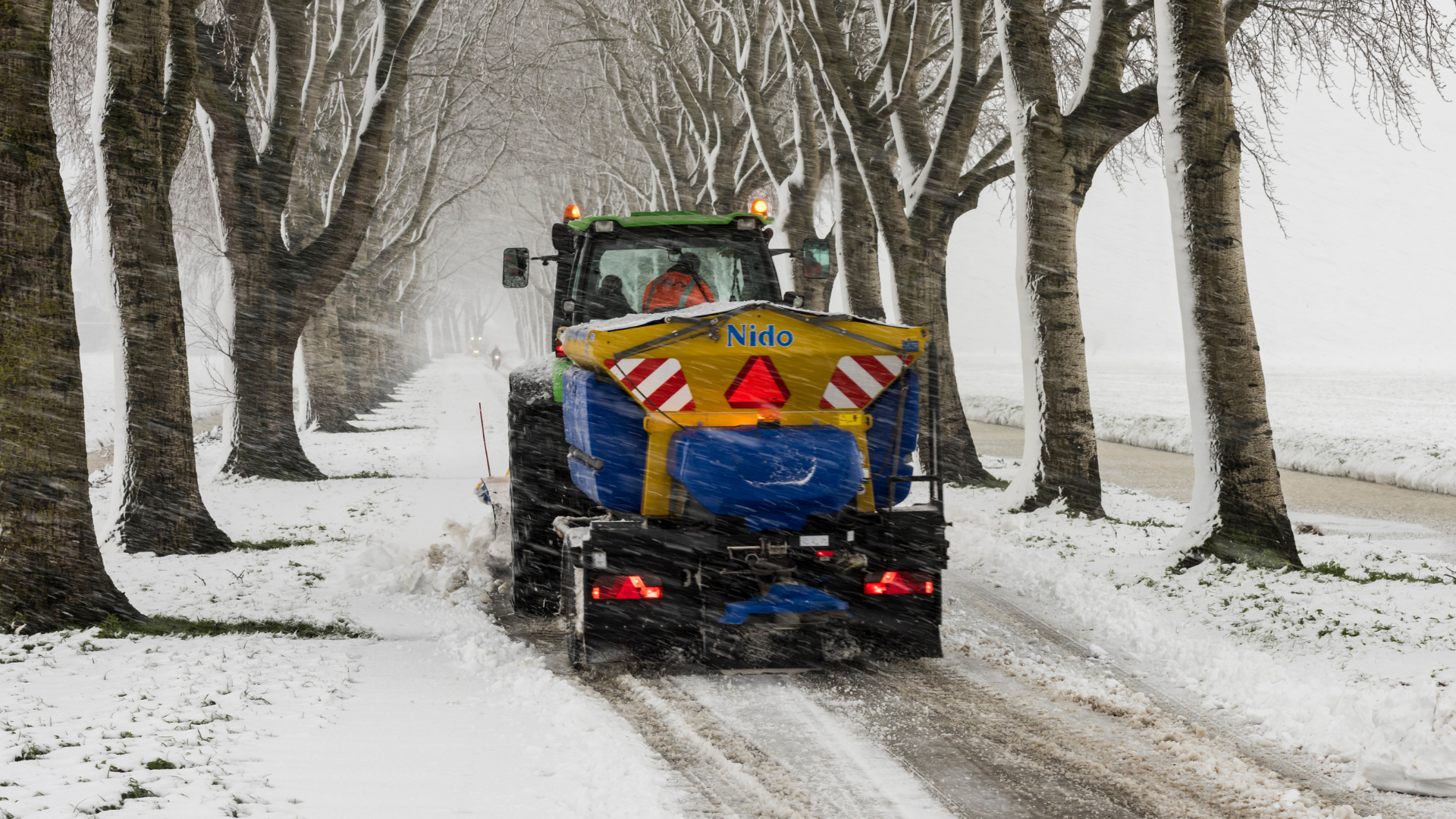
Do you work outside or in a cold environment? Then in winter you will have to deal with cold, wind, rain, or even frost and snow. Think of work in sectors such as construction, logistics, horticulture, industry, or transport. Working in the cold requires extra attention, because cold can affect your health, safety, and concentration. In this article, you can read about what to look out for when working in cold conditions, what the risks are, and what you can do to stay safe, healthy, and warm at work.
Sign upSign up for the waiting listStay informed
Waarom werken in de kou extra aandacht vraagt
Kou lijkt soms minder gevaarlijk dan hitte, maar dat is een misverstand. Langdurig werken in de kou kan zorgen voor lichamelijke klachten en vergroot de kans op ongelukken.
Bij lage temperaturen:
- spannen je spieren sneller aan
- reageer je langzamer
- wordt je concentratie minder
- raak je sneller vermoeid
Dat kan risico's opleveren, vooral als je met machines werk, moet tillen of buiten op gladde ondergrond loopt.
Welke risico’s zijn er bij werken in de kou?
Werken in de kou kan verschillende klachten veroorzaken, zoals:
Koude handen en voeten
Je handen worden zo koud dat je moeite krijgt om gereedschap vast te houden of knoppen te bedienen. Ook je voeten kunnen koud en gevoelloos aanvoelen, waardoor je minder stabiel staat.
Stijve spieren of gewrichten
Door de kou bewegen je spieren minder soepel. Bukken, tillen of draaien kost meer moeite, waardoor de kans op een verkeerde beweging groter wordt.
Spierpijn of kramp
Als je lang in de kou werkt, kunnen je spieren sneller verkrampen. Bijvoorbeeld in je armen of schouders als je veel herhalende bewegingen maakt.
Verkoudheid of griepklachten
Lang buiten werken in kou, wind en regen kan ervoor zorgen dat je sneller ziek wordt. Zeker als je kleding nat wordt en je tussendoor niet kunt opwarmen.
Minder gevoel in je vingers
Door koude vingers voel je minder goed wat je doet. Dat maakt het lastiger om precies te werken, bijvoorbeeld bij montagewerk of het vastpakken van kleine onderdelen.
Sneller uitglijden door sneeuw of ijs
Een gladde ondergrond zorgt voor extra risico’s. Eén verkeerde stap op een bevroren vloer, trap of steiger kan al leiden tot een val.
Waarom dit belangrijk is
Deze klachten zorgen er niet alleen voor dat werken zwaarder wordt, maar vergroten ook de kans op fouten en ongelukken. Daarom is het belangrijk om kou serieus te nemen en op tijd maatregelen te treffen.
Wanneer is het te koud om te werken?
Er is geen vaste temperatuur waarbij werk automatisch moet stoppen. Wel geldt: hoe kouder, hoe groter de belasting voor je lichaam. Factoren die meespelen zijn:
- temperatuur
- wind (wind maakt de kou erger)
- regen of sneeuw
- hoe lang je buiten werkt
- of je stil staat of veel beweegt
Bij extreme kou of winterse omstandigheden moet je werkgever extra maatregelen nemen.
Wat moet je werkgever regelen?
Je werkgever heeft een zorgplicht. Dat betekent dat hij moet zorgen voor een veilige en gezonde werkplek, ook bij kou en winterweer.
Denk aan:
- goede beschermende werkkleding
- mogelijkheden om op te warmen
- aangepaste werktijden of extra pauzes
- veilige looproutes (bijvoorbeeld bij gladheid)
- duidelijke afspraken bij winterse omstandigheden
Werk je via een uitzendbureau? Dan zijn zowel het bedrijf waar je werkt als het uitzendbureau verantwoordelijk voor jouw veiligheid.
Wat kun je zelf doen bij werken in de kou?
Je kunt zelf ook veel doen om klachten te voorkomen. Deze tips helpen:
1. Draag de juiste kleding
Kleed je in lagen. Zo blijft de warmte beter vastzitten en kun je iets uittrekken als je het warm krijgt. Denk aan thermokleding, wind- en waterdichte jas, warme sokken, handschoenen, een muts of helmvoering
2. Blijf in beweging
Beweeg regelmatig om warm te blijven. Sta je lang stil? Probeer tussendoor kleine bewegingen te maken.
3. Neem pauzes
Ga tijdens pauzes naar een warme ruimte als dat kan. Zo kan je lichaam weer op temperatuur komen.
4. Eet en drink voldoende
Je lichaam verbruikt meer energie in de kou. Warm eten en drinken helpt om op temperatuur te blijven.
5. Geef het aan als het te koud wordt
Voel je dat de kou je werk beïnvloedt of krijg je klachten? Bespreek dit met je leidinggevende of contactpersoon.
Extra alert bij gladheid en winterweer
Sneeuw, ijs en regen maken werkplekken glad. Dat vergroot de kans op uitglijden en vallen.
Let extra op:
- gladde trappen en hellingen
- natte of bevroren vloeren
- slechte zichtbaarheid
- werken op hoogte
Meld gevaarlijke situaties meteen. Zo voorkom je ongelukken voor jezelf en anderen.
Tot slot: zorg goed voor jezelf
Werken in de kou vraagt extra aandacht. Door goede afspraken, de juiste kleding en op tijd rust te nemen, kun je klachten en ongelukken voorkomen.
Blijf alert, luister naar je lichaam en trek aan de bel als het nodig is. Zo blijf je ook in de winter veilig, gezond en fit aan het werk.
Sign up for free
Stay informed
Stay informed
Get inspired
Stories of temporary workers living their dreams








Getting Started
Ready to work on yourself, your future or your job prospects?
Find out within 1 minute which budget is best for you.

Grow in your work and increase your job opportunities.

